The path from ERP to ERX
A five-phase method to turn a system of record into a platform that senses, decides and acts.
The next generation of enterprise management
ERX — Enterprise Resource Execution — is Gartner’s term for ERP reimagined for the AI era.
Instead of just storing transactions, ERX combines real-time orchestration, a modular and open architecture, a user-centric experience and native intelligence. Automation handles the routine; people supervise exceptions and make the high-value decisions.
“AI has fundamentally changed ERP.”
Neha Ralhan, Senior Principal Analyst, Gartner
Where does your company stand?
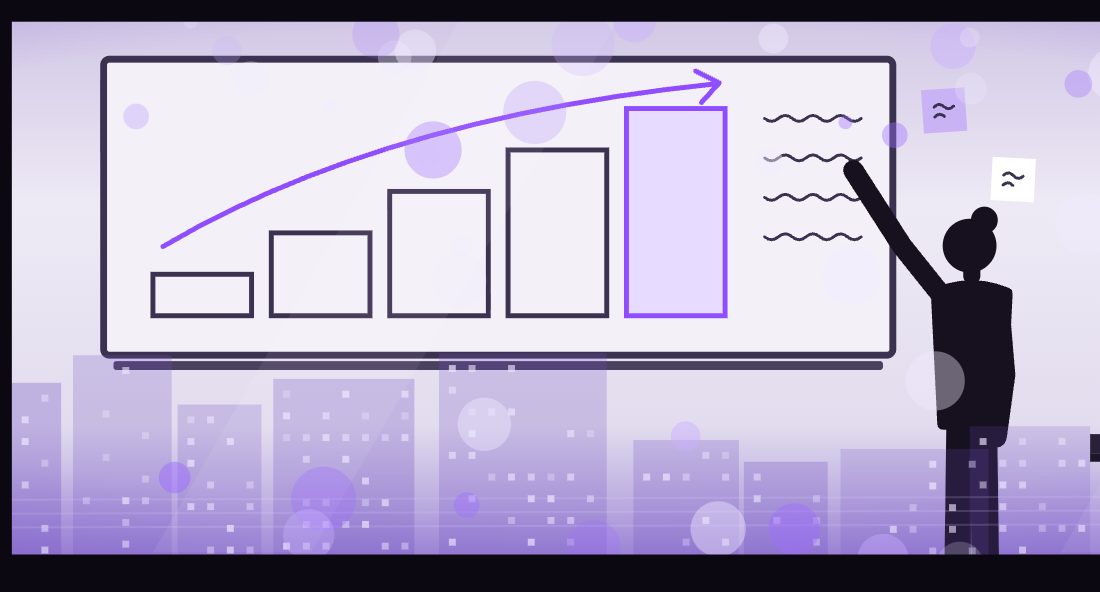
Gartner describes ERX as a continuum. Each company moves at its own pace — and the first step is knowing where you stand.
- Ad hoc: scattered processes and data
- Foundational: passive system of record
- Scalable: standardized, integrated processes
- Intelligent ERX: embedded AI recommends and anticipates
- Autonomous ERX: agents execute; people supervise
Five phases, value at every step
No big-bang projects. Each phase delivers value on its own and sets up the next.
Assessment
We assess processes, systems and data and map where your company stands on the maturity curve.
Deliverable: maturity report and prioritized opportunities.
Design
We redesign critical processes and define the architecture, AI use cases and targets.
Deliverable: TO-BE processes and ERX roadmap.
Implementation
We configure and integrate the ERP in short waves, standard features first.
Deliverable: processes running in production.
Training
We train key users and managers to operate, supervise automation and handle exceptions.
Deliverable: a self-sufficient team and support materials.
Continuous improvement
We measure results, expand automation and keep the roadmap alive, with close support.
Deliverable: measured gains and new improvement cycles.
Questions about ERX
Not always. When the current core still works, we evolve in a modular way, adding new capabilities to the existing system. When the ERP is legacy or heavily customized, replacing it is usually the fastest path.
Usually a few weeks, depending on company size and the number of areas involved. At the end, you get your position on the maturity scale and a prioritized plan.
No. With ERX, automation takes over repetitive tasks while people focus on supervision, exceptions and decisions. That’s why team training is built into the method.
Yes. The stages apply by department, business unit or group company, allowing parallel progress with risk control in multi-company operations.